MIG Wire vs Easy Stick Rod for Beginners
ER70S-6 solid MIG wire vs E6013 easy-run stick rod. Two most common beginner starting points compared.
Which One Should You Use?
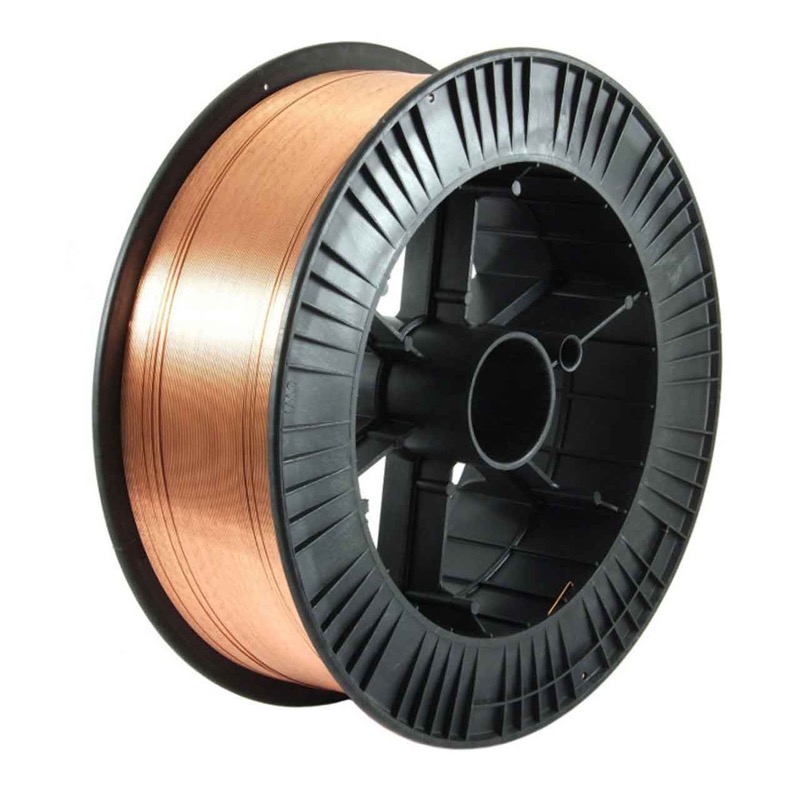
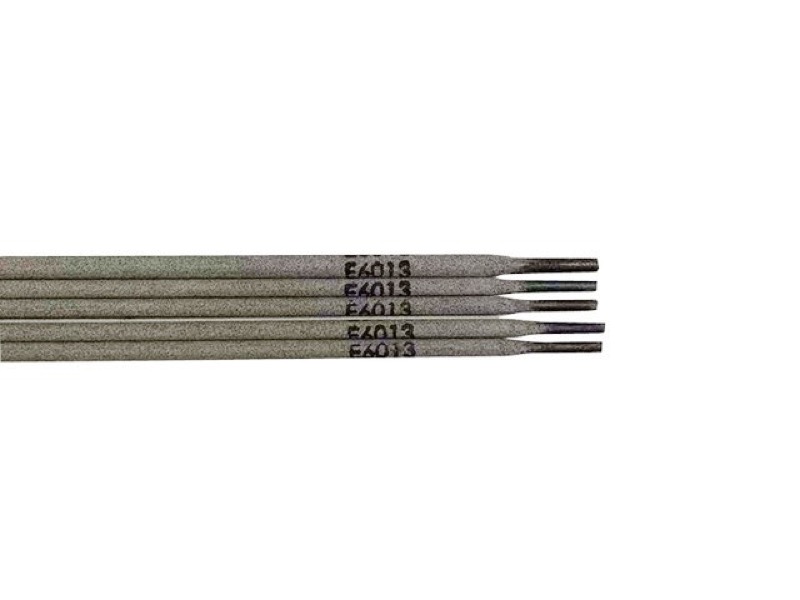
Key Differences
| Attribute | ER70S-6 | E6013 |
|---|---|---|
| Process | MIG - continuous wire feed with gas | Stick - manual rod consumption |
| Learning Curve | Easier - automatic wire feed | Moderate - must control arc length |
| Equipment Cost | Higher - welder + gas tank | Lower - basic stick welder |
| Outdoor Use | Limited - wind affects gas shield | Good - no gas needed |
| Thin Metal | Excellent - fine control | Moderate - harder to avoid burn-through |
| Cleanup | Minimal - no slag | Light slag removal needed |
| Portability | Less - gas tank, wire feeder | More - just welder and rods |
| Speed | Faster - continuous wire | Slower - frequent rod changes |
Settings at a Glance
Machine settings and operating characteristics side by side. For full amperage charts, see the individual electrode pages.
| Setting | ER70S-6 | E6013 |
|---|---|---|
| Polarity | DCEP | AC, DCEP, DCEN |
| Positions | flat, horizontal, vertical-up, overhead | flat, horizontal, vertical-up, overhead |
| Penetration | medium | light |
| Coating | copper-coated solid wire | high titania potassium |
| Amps at 0.023" | 30-90A | N/A |
| Amps at 0.030" | 40-145A | N/A |
| Amps at 3/32" | N/A | 40-90A |
| Amps at 1/8" | N/A | 70-120A |
How ER70S-6 and E6013 Work Together
MIG with ER70S-6 is generally easier for beginners because the wire feeds automatically and the arc is smooth. E6013 stick is the easiest stick rod to learn but still requires manual rod feeding and arc length control. MIG excels on thinner material and for longer continuous beads. E6013 stick is better when you need portability, cannot set up gas, or need to work outdoors. Many welding instructors recommend starting with stick to build fundamentals, then moving to MIG for production.
Common Mistake With MIG Wire
Starting with MIG and never learning stick. MIG is easier but does not teach arc length control, manipulation, or heat management. Learning E6013 stick first builds skills that transfer to every other process.
Practical Differences
| Factor | ER70S-6 | E6013 |
|---|---|---|
| Shielding Gas | 75% Ar / 25% CO2 | None (flux-shielded) |
| Fume Level | Low (0.2-0.5 g/min) | Medium (0.4-0.7 g/min) |
| Storage | Dry, sealed spool | Standard dry storage |
| Common Brands | SuperArc L-56, HB-28 | Fleetweld 37, Hobart 413 |
Where to Buy
As an Amazon Associate, GageRef earns from qualifying purchases. These are affiliate links.
ER70S-6 vs E6013: Common Questions
Which is better, ER70S-6 or E6013?
Different rods for different jobs. Key differences: Process: ER70S-6 has mig - continuous wire feed with gas, while E6013 has stick - manual rod consumption. Learning Curve: ER70S-6 has easier - automatic wire feed, while E6013 has moderate - must control arc length. Equipment Cost: ER70S-6 has higher - welder + gas tank, while E6013 has lower - basic stick welder. Match the rod to the work, not the other way around.
Can I substitute ER70S-6 for E6013?
Not a straight swap. ER70S-6 runs on DCEP, E6013 on AC/DCEP/DCEN. Your machine decides. Penetration differs: ER70S-6 is medium, E6013 is light. Coating chemistry is different (copper-coated solid wire vs high titania potassium), so the arc and slag behave differently.
Can I use both ER70S-6 and E6013 on the same joint?
MIG with ER70S-6 is generally easier for beginners because the wire feeds automatically and the arc is smooth. E6013 stick is the easiest stick rod to learn but still requires manual rod feeding and arc length control. MIG excels on thinner material and for longer continuous beads. E6013 stick is better when you need portability, cannot set up gas, or need to work outdoors. Many welding instructors recommend starting with stick to build fundamentals, then moving to MIG for production.
Reference data only. Verify all settings against manufacturer documentation and the applicable welding code before use. Amperage ranges are starting points that vary by position, fit-up, and material. Welding involves serious injury risks including burns, electric shock, fume exposure, and fire. This site does not replace proper training, certification, or employer safety procedures. See full terms of use.
Data sourced from AWS A5.18/A5.18M, AWS A5.1/A5.1M.