NPT Thread Sizes: Pipe Dimensions, TPI & Identification Chart
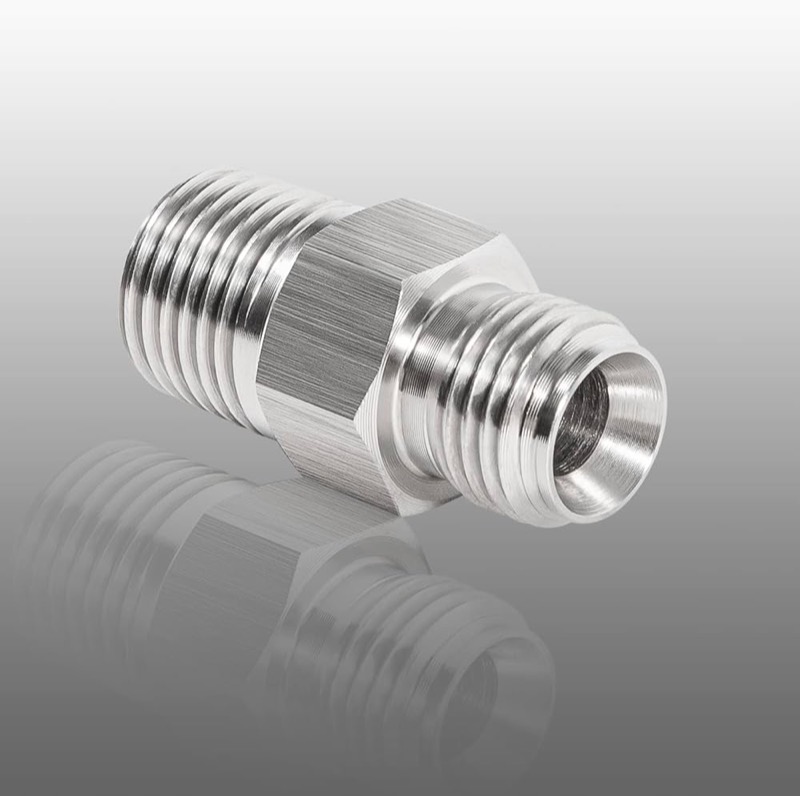
NPT uses Tapered pipe threads with a thread interference seal per ANSI/ASME B1.20.1. Thread dimension table and identification tips below.
Thread Sizes
| Nominal Size | Threads/Inch | OD |
|---|---|---|
| 1/8" | 27 TPI | 0.405" |
| 1/4" | 18 TPI | 0.540" |
| 3/8" | 18 TPI | 0.675" |
| 1/2" | 14 TPI | 0.840" |
| 3/4" | 14 TPI | 1.050" |
| 1" | 11.5 TPI | 1.315" |
| 1-1/4" | 11.5 TPI | 1.660" |
| 1-1/2" | 11.5 TPI | 1.900" |
| 2" | 11.5 TPI | 2.375" |
What Is NPT?
NPT stands for National Pipe Taper. It is the standard tapered pipe thread used throughout North American plumbing, pneumatics, and hydraulics. The taper is 1 degree 47 minutes per side (3/4 inch per foot). NPT is defined by ANSI/ASME B1.20.1. When someone says 'pipe thread' in the United States, they almost always mean NPT.
NPT threads seal by wedging tapered threads together, deforming the crests and roots to create a seal. This means NPT connections are not reliably reusable. Every time you disassemble and reassemble, the seal quality degrades. They almost always need thread sealant (tape or paste). NPT is everywhere in plumbing and low-pressure hydraulics.
When to Use NPT
Plumbing, pneumatics, and low-pressure hydraulics.
NPT is the default thread in North American pipe systems.
Use it when the port is already tapped NPT and there is no adapter option.
Avoid NPT in high-vibration or high-pressure hydraulic circuits if you have a choice.
Where NPT Falls Short
Not reliably reusable. Each assembly/disassembly degrades the seal.
Requires thread sealant every time.
Tapered threads generate hoop stress in the port, which can crack cast housings if overtightened.
How to Identify NPT Fittings
Threads are tapered, they get tighter as you screw them in. Thread pitch is coarser than JIC. Measure with a thread gauge to distinguish from BSPT (55-degree vs 60-degree thread angle).
Measurement Tips
NPT sizes do not match the actual measured diameter of the thread. A 1/2 inch NPT fitting measures approximately 0.840 inches across the outside of the threads at the large end. This is because NPT sizes are based on the nominal inside diameter of the pipe, not the thread OD. Always use a thread pitch gauge and reference chart rather than measuring with calipers.
What NPT Gets Confused With
NPTF (National Pipe Taper Fuel) is a dryseal variant of NPT designed to seal without thread sealant tape or compound. NPTF threads have tighter manufacturing tolerances that create a metal-to-metal interference fit. NPTF will mate with NPT threads but the seal quality depends on which side has the tighter tolerance. For hydraulic applications above 1000 psi, NPTF with sealant is preferred over standard NPT.
NPT: Common Questions
How do I know if my fitting is NPT?
Three signs: the threads are tapered (they get tighter as you screw in), the thread angle is 60 degrees (American National form), and there is no flare, O-ring, or washer seal. NPT relies entirely on the tapered threads plus sealant for sealing. Measure the thread OD and count threads per inch to confirm the size. For a step-by-step process, see the fitting identification guide. Or use the interactive Thread Identifier tool to match your measurements to a standard.
Do NPT fittings need Teflon tape?
Yes. NPT threads seal by wedging tapered threads together, but the thread form alone does not create a leak-free seal. Teflon tape (PTFE) or pipe thread compound fills the microscopic gaps between thread crests. Apply 2-3 wraps of tape clockwise (looking at the thread end) before assembly. Without sealant, NPT connections will seep.
What is the difference between NPT and NPTF?
NPT (National Pipe Thread) requires sealant tape or compound to seal. NPTF (National Pipe Thread Fuel, also called Dryseal) has modified thread crests and roots that create a mechanical seal without sealant. Both use the same 1 degree 47 minute taper and are dimensionally compatible. Use NPTF where sealant is impractical, such as fuel systems or applications where tape could contaminate the fluid. The full NPT vs NPTF comparison explains when dryseal matters and when standard NPT with tape is fine.
Reference data only. Verify thread dimensions with a thread identification gauge before making connections. Working with pressurized hydraulic systems involves serious injury risks including high-pressure injection, burns, and crushing hazards. This site does not replace manufacturer specifications, proper training, or employer safety procedures. See full terms of use.
Data sourced from ANSI/ASME B1.20.1. Thread dimensions are nominal values. Always verify with a thread identification gauge before making connections.