Welding Defects and Causes: Diagnosis and Prevention
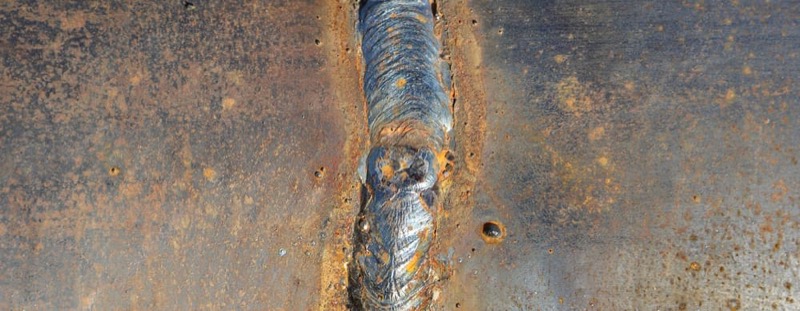
Porosity comes from contamination or moisture. Undercut comes from too much heat or wrong angle. Lack of fusion comes from too little heat or wrong technique. Cracking comes from hydrogen, stress, or cooling too fast. Fix the cause, not the symptom.
Every weld defect has a cause. If you can identify the defect, you can trace it back to the setting, technique, or preparation that created it. This guide covers the most common defects in arc welding, what causes each one, and what to change to fix it. The focus is on practical diagnosis rather than metallurgical theory.
Porosity
What it looks like: Small round holes (gas pores) scattered through the weld bead or clustered at the start or end.
Common causes: Contamination on the base metal (oil, grease, rust, paint, moisture). Wet or damaged electrodes, especially low-hydrogen rods like E7018 that have absorbed moisture. Insufficient shielding gas coverage from wind, wrong flow rate, or a clogged nozzle. Arc length too long, allowing air into the shielding envelope.
Fixes: Clean the base metal thoroughly before welding. Store low-hydrogen rods in a rod oven. Check gas flow rate and nozzle for blockage. Shorten your arc length. If welding outdoors with MIG, switch to flux-core or stick to eliminate gas coverage issues.
Undercut
What it looks like: A groove or channel melted into the base metal along the toe of the weld that is not filled with weld metal.
Common causes: Amperage too high. Travel speed too fast. Arc length too long. Incorrect electrode angle, especially on horizontal and overhead joints. Weave too wide without pausing at the toes.
Fixes: Reduce amperage. Slow down. Pause briefly at each toe of a weave bead to allow the puddle to fill. Tighten arc length. On horizontal fillets, angle the electrode slightly toward the top plate.
Lack of Fusion
What it looks like: The weld metal sits on top of the base metal or a previous pass without actually melting into it. Sometimes visible as a dark line along the toe or between passes.
Common causes: Amperage too low. Travel speed too fast (not enough heat to melt the base metal). Wrong electrode angle (arc not directed at the joint root). Oxide or contamination on the joint surfaces. Welding over cold tack welds without sufficient heat.
Fixes: Increase amperage. Direct the arc into the root of the joint. Clean joint surfaces. When welding multi-pass joints, ensure each pass ties into the base metal and the previous pass.
Slag Inclusions
What it looks like: Dark spots or lines in the weld, visible on the surface or found during inspection. Slag trapped between weld passes.
Common causes: Failing to completely remove slag between passes. Welding over slag from a previous bead. Incorrect electrode angle that drives slag ahead of the puddle. Amperage too low, causing the puddle to freeze before slag can float out. Poor joint geometry that traps slag in tight corners.
Fixes: Chip and wire-brush thoroughly between every pass. Run a grinder over the previous bead if slag is stubborn. Maintain proper electrode angle. Ensure the joint geometry allows slag to float out of the puddle.
Spatter
What it looks like: Small balls of metal stuck to the base metal and surrounding area around the weld.
Common causes: Amperage or voltage too high. Arc length too long. Wrong polarity. Contaminated or wet electrodes. Wrong shielding gas or flow rate for MIG welding. For MIG, wire feed speed and voltage mismatch.
Fixes: Reduce amperage or voltage. Shorten arc length. Verify correct polarity for the electrode being used. For MIG, adjust wire feed speed and voltage together to find the sweet spot. Use anti-spatter spray on critical surfaces before welding.
Cracking
What it looks like: Visible cracks in or near the weld. May appear during cooling (hot cracking) or hours to days later (cold cracking / hydrogen cracking).
Hot cracking is caused by high sulfur or phosphorus in the base metal, too much restraint on the joint, or a weld bead that is too small for the joint (high restraint, small weld cross-section). Fix by using a larger bead, reducing restraint, or switching to a filler with better hot cracking resistance.
Cold cracking (hydrogen cracking) is caused by hydrogen in the weld, high residual stress, and a susceptible microstructure. It occurs most commonly in thick, high-strength steel welded with contaminated or wet electrodes. Fix by using properly stored low-hydrogen electrodes, preheating the base metal, and maintaining interpass temperature.
What It Costs
Rework costs 3-10 times the original weld. A rejected structural weld must be gouged out, re-prepped, and re-welded by a qualified welder. On a pipe joint, rework can cost $500-2,000 per joint. Prevention through proper rod storage, joint prep, and technique is cheaper than fixing defects.
Welding Defects and Causes: Common Questions
What causes porosity in welding?
Porosity is caused by gas getting trapped in the weld metal as it solidifies. The most common sources are contamination on the base metal (oil, grease, rust, paint, moisture), wet or improperly stored electrodes (especially low-hydrogen rods like E7018 that have absorbed moisture), insufficient shielding gas coverage from wind, incorrect flow rate, or a clogged MIG nozzle, and arc length that is too long, allowing atmospheric gases into the weld pool. Dirty base metal is the number one cause. Clean the joint with a grinder or wire brush and solvent before welding, and store low-hydrogen rods in a rod oven at 250-300F. Moisture in electrode coatings is a leading cause of porosity. See the welding rod storage guide for proper storage procedures.
What causes undercut in welding?
Undercut is a groove melted into the base metal along the toe of the weld that does not get filled with weld metal. The primary causes are excessive heat input (amperage too high), travel speed that is too fast for the amperage being used, arc length that is too long, and incorrect electrode angle. On horizontal and overhead joints, undercut on the upper toe is common when the electrode is not angled to direct the arc properly. To fix undercut, reduce amperage, slow travel speed, shorten arc length, and pause briefly at each toe of a weave bead to let the puddle fill in.
What causes spatter in welding?
Spatter is caused by several factors: arc length that is too long (the most common cause), wrong polarity for the electrode being used, contaminated or wet base metal, and voltage set too high relative to wire feed speed in MIG welding. For stick welding, shortening the arc length is the single most effective fix. For MIG, spatter usually means the voltage and wire feed speed are mismatched. Adjusting them together until the arc sounds smooth and steady reduces spatter significantly. Anti-spatter spray on the workpiece and nozzle helps with cleanup but does not fix the root cause. Wrong polarity is a common cause of excessive spatter. See the welding polarity guide to verify correct settings for your rod.
Reference data only. Verify all settings against manufacturer documentation and the applicable welding code before use. Amperage ranges are starting points that vary by position, fit-up, and material. Welding involves serious injury risks including burns, electric shock, fume exposure, and fire. This site does not replace proper training, certification, or employer safety procedures. See full terms of use.
Classification system defined by AWS inspection guides, Lincoln Electric defect reference.