ORFS vs NPT Hydraulic Fittings: O-Ring Face Seal vs Tapered Pipe
The key difference: Seal Method: O-ring compressed against flat face vs Tapered threads with sealant. Full breakdown below.
ORFS uses a flat-face O-ring seal with straight threads. NPT uses tapered threads that deform to create a seal. ORFS is mechanically superior for hydraulic applications but more expensive. NPT is cheaper and easier to install but prone to leaks under vibration and high pressure.
Key Differences
Seal Method: O-ring compressed against flat face vs Tapered threads with sealant.
Leak Resistance: Excellent - positive O-ring seal vs Poor under vibration - thread seal degrades.
Vibration Tolerance: Excellent - O-ring absorbs movement vs Poor - vibration loosens taper seal.
Reassembly: Replace O-ring and retorque vs Clean threads, reapply sealant, risk of galling.
Pressure Rating: 6000+ psi typical vs 3000-6000 psi (decreases with size).
Cost: Higher initial cost vs Lowest cost fitting standard.
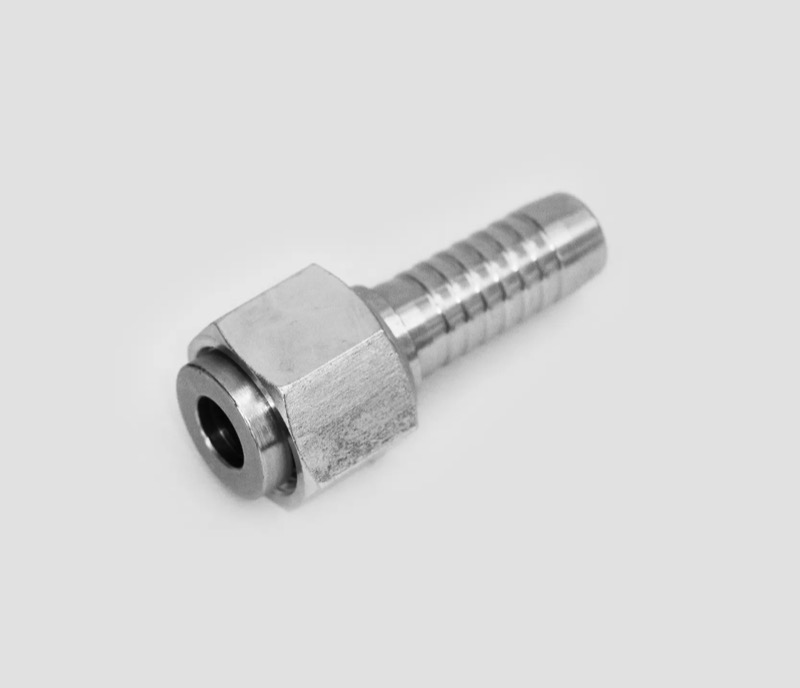
When to Choose ORFS (SAE J1453)
ORFS for any hydraulic system with vibration, high pressure, or connections that may need to be opened for service
The upfront cost premium is justified by leak-free reliability.
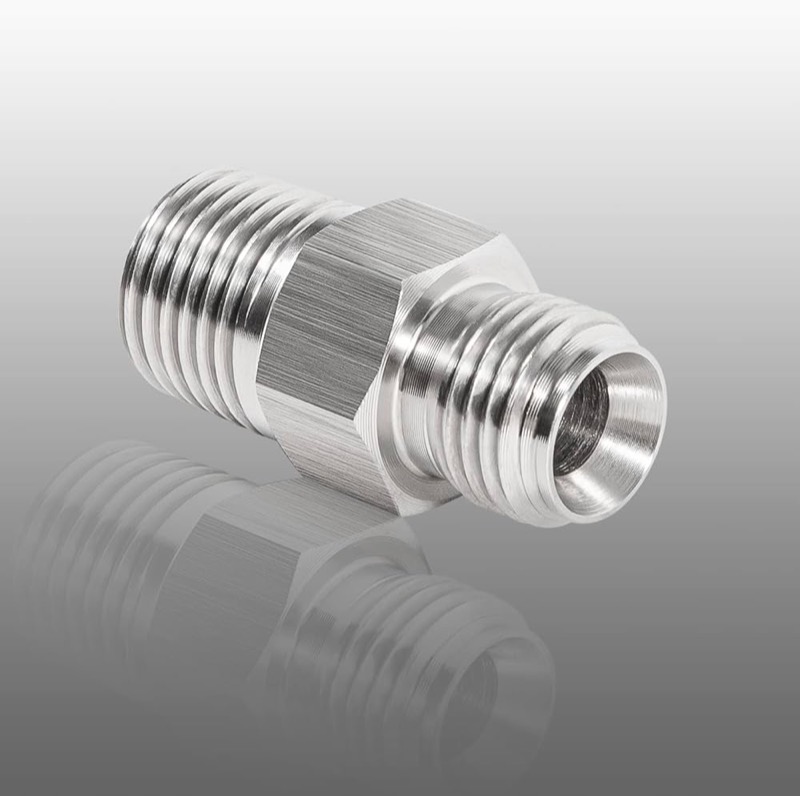
When to Choose NPT
NPT for low-pressure, low-vibration, permanently assembled connections where cost is the primary driver
Acceptable for air lines, drain ports, and gauge connections.
Practical Notes
ORFS was developed specifically to solve NPT leak problems in hydraulic systems. Any application with vibration, thermal cycling, or frequent assembly benefits from ORFS. NPT remains acceptable for low-pressure, low-vibration, permanently assembled connections. Many shops are transitioning from NPT to ORFS or ORB for hydraulic systems to reduce warranty claims from leaking connections.
Common Mistake
Using NPT on high-vibration hydraulic lines because it is cheaper. The cost savings disappear when you factor in leak repairs, fluid loss, contamination, and environmental cleanup. ORFS costs more upfront but has dramatically lower lifetime cost in vibrating systems.
ORFS (SAE J1453) vs NPT: Common Questions
Why is ORFS better than NPT for hydraulics?
ORFS uses a captive O-ring compressed against a flat face, creating a positive seal unaffected by vibration. NPT relies on tapered threads jammed together with sealant, which loosens under vibration and degrades with each reassembly. ORFS costs more upfront but eliminates the leak repairs, fluid loss, and contamination problems that plague NPT hydraulic connections.
Reference data only. Verify thread dimensions with a thread identification gauge before making connections. Working with pressurized hydraulic systems involves serious injury risks including high-pressure injection, burns, and crushing hazards. This site does not replace manufacturer specifications, proper training, or employer safety procedures. See full terms of use.