ORFS vs JIC Fittings: O-Ring Face Seal vs Flare Fitting Comparison
The key difference: ORFS (O-Ring Face Seal, SAE J1453) uses a captive O-ring compressed against a flat face to create a positive seal. Full breakdown below.
Both are high-pressure hydraulic fitting standards. ORFS uses an O-ring face seal for zero-leak performance. JIC uses a 37-degree flare metal-to-metal seal....
Key Differences
ORFS (O-Ring Face Seal, SAE J1453) uses a captive O-ring compressed against a flat face to create a positive seal.
JIC (SAE J514) uses a 37-degree cone-to-cone metal-to-metal contact.
ORFS is virtually leak-free even with vibration; JIC can seep under extreme vibration.
ORFS fittings cost more and are less commonly stocked.
JIC is the industry standard for mobile hydraulics.
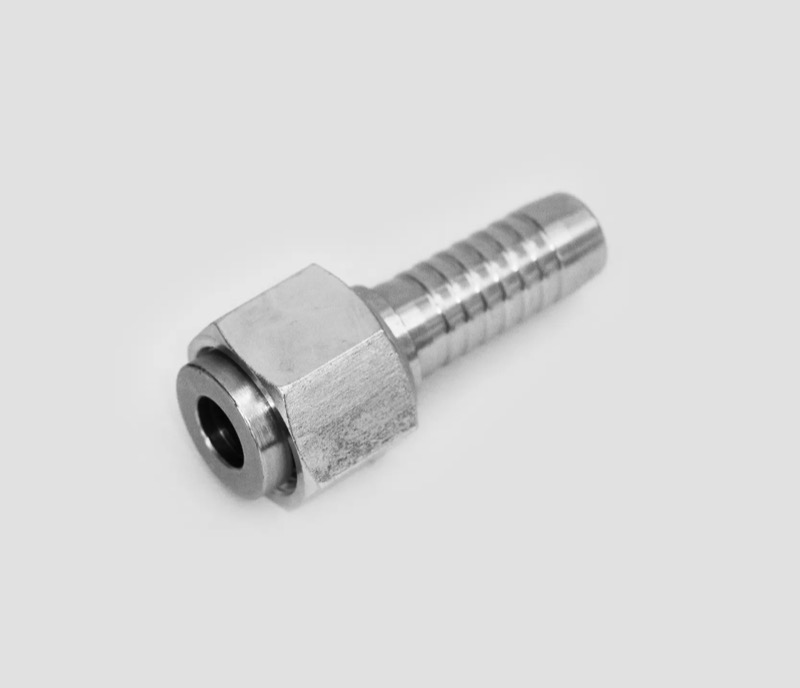
When to Choose ORFS (SAE J1453)
Zero-leak-tolerance systems
High-vibration environments
Environmentally sensitive areas where any hydraulic leak is unacceptable
Premium mobile equipment
Systems operating above 5000 PSI with vibration.
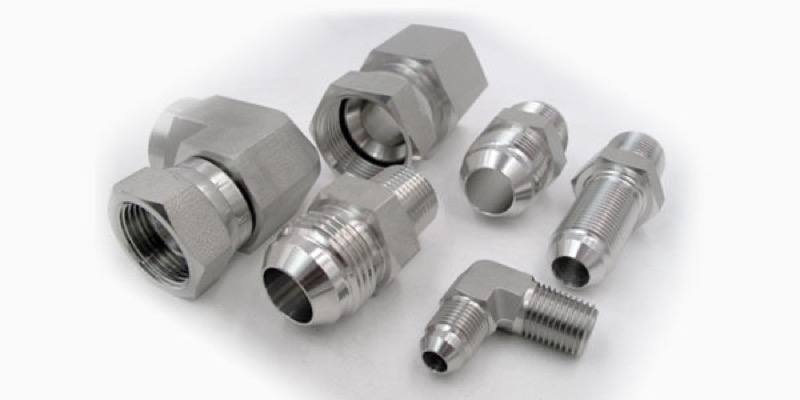
When to Choose JIC (SAE J514)
Standard mobile hydraulics
General industrial hydraulic systems
Cost-sensitive applications
When fittings need to be sourced quickly from any supplier
Lower-pressure systems.
Practical Notes
ORFS is increasingly specified on newer premium equipment (Caterpillar, John Deere, Komatsu) because it reduces warranty claims from hydraulic leaks. Older equipment and aftermarket typically uses JIC. Many systems use a mix of both with adapters at transition points.
Common Mistake
Overtightening ORFS fittings. The O-ring does the sealing work; over-tightening crushes the O-ring and causes premature failure. Use a torque wrench and follow the manufacturer specification.
ORFS (SAE J1453) vs JIC (SAE J514): Common Questions
When should I upgrade from JIC to ORFS?
When JIC connections are leaking due to vibration, when the system operates in environmentally sensitive areas where any leak is unacceptable, or when building new systems above 5,000 PSI with vibration exposure. The O-ring face seal in ORFS absorbs vibration that loosens JIC flare connections over time. See the ORFS specifications for pressure ratings and O-ring seal details. Compare against the JIC specifications to evaluate your current system.
Reference data only. Verify thread dimensions with a thread identification gauge before making connections. Working with pressurized hydraulic systems involves serious injury risks including high-pressure injection, burns, and crushing hazards. This site does not replace manufacturer specifications, proper training, or employer safety procedures. See full terms of use.