JIC vs NPT Fittings: Thread Differences, Pressure Ratings & When to Use Each
The key difference: JIC (SAE J514) has straight threads with a 37-degree flare cone that seals metal-to-metal. Full breakdown below.
JIC fittings use a 37-degree flare with straight threads and a metal-to-metal seal. NPT uses tapered pipe threads that seal on the thread taper. They are...
Key Differences
JIC (SAE J514) has straight threads with a 37-degree flare cone that seals metal-to-metal.
NPT has tapered threads (1 degree 47 minutes per side) that seal by thread deformation.
JIC can be reassembled repeatedly without damage; NPT threads deform each time and eventually leak.
JIC is rated for higher pressures and vibration resistance.
NPT requires thread sealant (tape or compound); JIC does not.
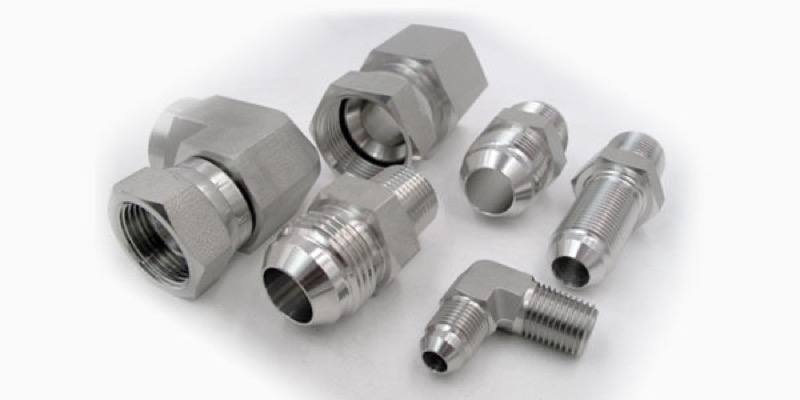
When to Choose JIC (SAE J514)
High-pressure hydraulic systems
Applications with vibration
Systems that need frequent assembly and disassembly
Mobile hydraulic equipment
Any application where leak-free reassembly matters.
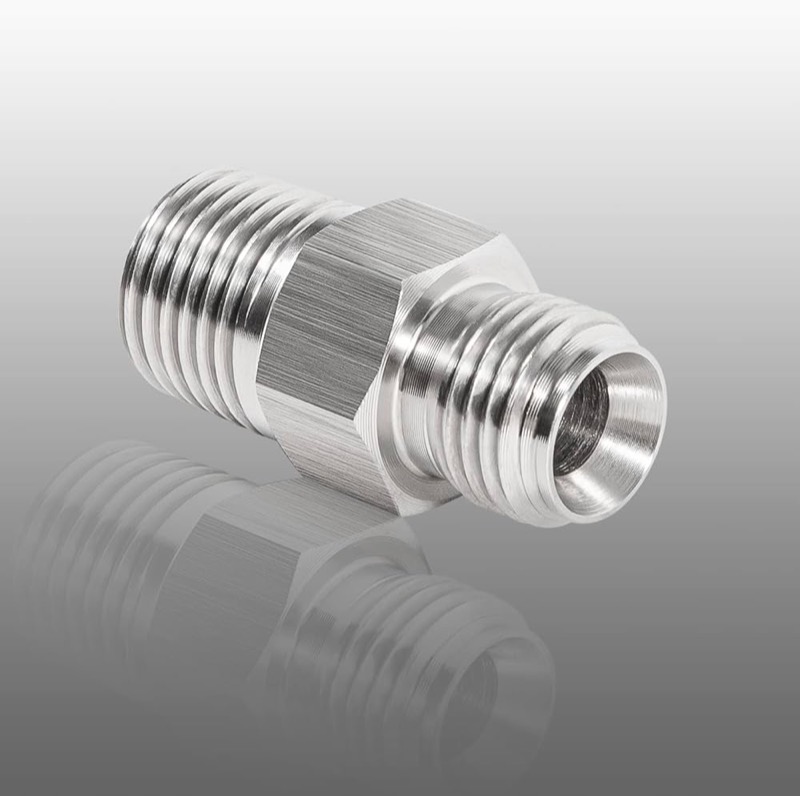
When to Choose NPT
Low-pressure pneumatic and water systems
Fixed plumbing installations that will not be disassembled
Readily available at any hardware store
Lower cost
Existing systems already using NPT.
Practical Notes
JIC is the standard in mobile hydraulics (construction equipment, agriculture, trucks). NPT dominates in building plumbing and compressed air. Do not mix them, the threads look similar but JIC is straight and NPT is tapered. Cross-threading damages both fittings.
Common Mistake
Assuming JIC and NPT in the same nominal size are compatible. A 1/2 inch JIC male will not seal properly in a 1/2 inch NPT female port. The thread form and seal mechanism are completely different.
JIC (SAE J514) vs NPT: Common Questions
Can I use JIC fittings in an NPT port?
No. JIC has straight threads and seals with a 37-degree flare cone. NPT has tapered threads that seal by thread deformation. A JIC male will not seal in an NPT female port even if it screws in partially. You need a JIC-to-NPT adapter. Use the Adapter Finder to find the correct JIC-to-NPT adapter for your size.
Which is better for hydraulics, JIC or NPT?
JIC for any system with vibration, high pressure, or connections that need reassembly. JIC fittings can be taken apart and reassembled repeatedly without damage. NPT threads deform with each assembly and eventually leak. NPT is acceptable for low-pressure, permanently assembled connections like drain ports and gauge taps. For JIC thread sizes and pressure ratings, see the full JIC specifications. For NPT sizing and Teflon tape guidance, see the NPT specifications.
Reference data only. Verify thread dimensions with a thread identification gauge before making connections. Working with pressurized hydraulic systems involves serious injury risks including high-pressure injection, burns, and crushing hazards. This site does not replace manufacturer specifications, proper training, or employer safety procedures. See full terms of use.