BSP vs NPT: Thread Angle Differences & Global Fitting Standards
The key difference: BSP has a 55-degree thread angle (Whitworth form). Full breakdown below.
BSP (British Standard Pipe) and NPT (National Pipe Thread) are the two dominant pipe thread standards worldwide. BSP uses a 55-degree thread angle; NPT uses...
Key Differences
BSP has a 55-degree thread angle (Whitworth form).
NPT has a 60-degree thread angle (American National form).
BSP comes in two variants: BSPP (parallel/straight) and BSPT (tapered).
NPT is always tapered.
The pitch (threads per inch) differs at most sizes.
BSP dominates outside North America; NPT dominates inside North America.
When to Choose BSP (BSPP/BSPT)
Equipment manufactured to European, UK, Australian, or Asian specifications
Existing systems already using BSP
International hydraulic equipment
Metric-based installations.
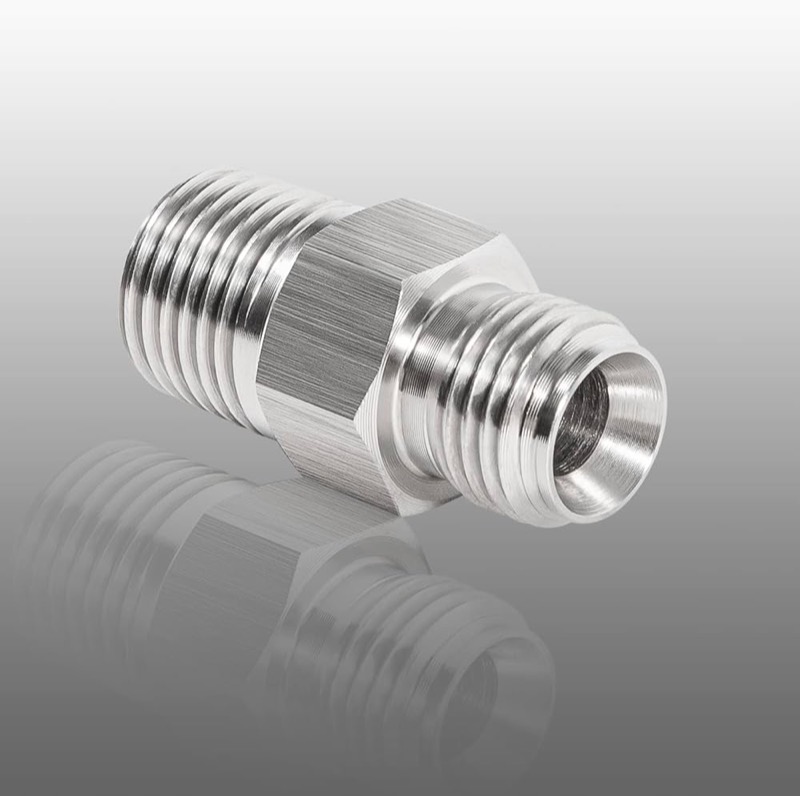
When to Choose NPT
North American hydraulic and pneumatic systems
Equipment manufactured to US specifications
Plumbing and HVAC in North America
When sourcing from US suppliers.
Practical Notes
The threads look identical to the eye but the angle difference means they will cross-thread and leak. At some sizes (like 1/4 inch), BSP and NPT threads can partially engage, which is dangerous because it appears to fit but will fail under pressure. Always verify the thread standard before connecting.
Common Mistake
Importing European equipment and connecting it to NPT shop air or hydraulic lines. The ports are BSP and need adapters or replacement fittings to connect to NPT systems.
BSP (BSPP/BSPT) vs NPT: Common Questions
Can BSP screw into NPT?
At some sizes they can partially engage because the diameters are similar, but the seal will fail. BSP uses a 55-degree thread angle and NPT uses 60 degrees. The pitch differs at most sizes. Partial engagement under pressure is dangerous. Always verify with a thread gauge and use a proper adapter. Learn how to measure thread pitch correctly in the thread pitch gauge usage guide.
Reference data only. Verify thread dimensions with a thread identification gauge before making connections. Working with pressurized hydraulic systems involves serious injury risks including high-pressure injection, burns, and crushing hazards. This site does not replace manufacturer specifications, proper training, or employer safety procedures. See full terms of use.