NPT vs NPS: Tapered vs Straight American Pipe Threads Explained
The key difference: NPT has a 1 degree 47 minute taper per side. Full breakdown below.
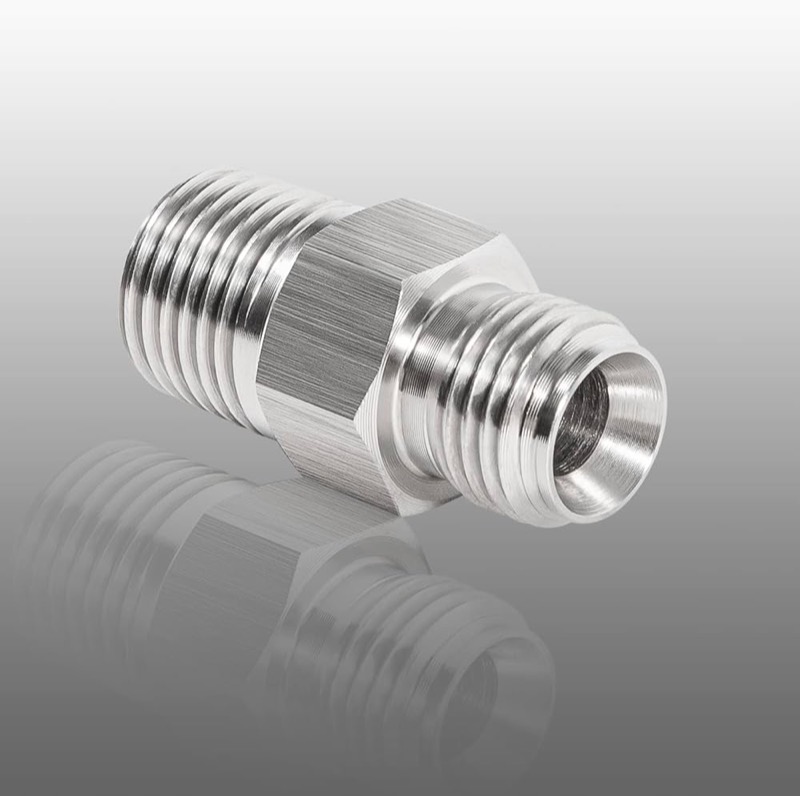
NPT (National Pipe Taper) and NPS (National Pipe Straight) share the same 60-degree thread angle and threads-per-inch at each nominal size. The difference is that NPT threads are tapered (they get tighter as you thread in) while NPS threads are straight (parallel). NPT seals on the thread taper. NPS cannot seal on threads alone and requires an O-ring, gasket, or bonded washer to make a seal. They are NOT interchangeable even though the threads will partially engage.
Key Differences
NPT has a 1 degree 47 minute taper per side.
NPS has no taper, the threads are parallel (straight).
NPT seals by wedging tapered threads together, deforming the thread crests.
NPS threads only hold the fitting in place while an O-ring or gasket provides the seal.
NPT requires thread sealant.
NPS requires an O-ring or washer.
NPT connections degrade with each assembly/disassembly.
NPS connections are reusable because the seal element (O-ring) can be replaced.
When to Choose NPT
Fixed plumbing installations
Pneumatic systems
Low-pressure hydraulics
When the port is already tapped NPT
When cost and availability are priorities.
When to Choose NPS
Hydraulic systems where connections need to be assembled and disassembled repeatedly
When a reliable, reusable seal is needed
NPS with an O-ring (SAE ORB / SAE J1926) is the standard for modern hydraulic pump and valve ports
When overtightening risk exists (NPS does not generate the hoop stress that NPT does in cast housings).
Practical Notes
NPS threads at a given nominal size have the same OD and TPI as NPT at the large end of the taper. This means an NPT male will start threading into an NPS female (or vice versa) but will cross-thread or bind after a few turns. This partial engagement is what makes them dangerous to confuse. If threads engage easily for 2-3 turns then suddenly bind, you may be cross-threading NPT into NPS.
Common Mistake
Trying to seal an NPS connection without an O-ring or gasket. NPS threads are straight and cannot wedge tight like NPT. No amount of Teflon tape will make straight threads seal by thread interference. If the connection leaks and the threads are straight, you need the correct O-ring or bonded washer for that port.
NPT vs NPS: Common Questions
What is the difference between NPT and NPS thread?
NPT is tapered (1 degree 47 minutes per side) and designed to seal fluid connections. NPS (National Pipe Straight) is parallel (no taper) and designed for mechanical connections where sealing is done by a gasket, O-ring, or other external seal. NPS threads do not seal on their own. If you need a fluid-tight connection, use NPT. If you need to hold a fitting in place while something else seals, use NPS.
Reference data only. Verify thread dimensions with a thread identification gauge before making connections. Working with pressurized hydraulic systems involves serious injury risks including high-pressure injection, burns, and crushing hazards. This site does not replace manufacturer specifications, proper training, or employer safety procedures. See full terms of use.