NPT vs JIS Fittings: Tapered Pipe vs 30-Degree Flare Compared
The key difference: NPT has tapered threads with a 60-degree thread form that seals through interference and requires sealant. Full breakdown below.
NPT uses tapered pipe threads that seal by thread deformation with sealant. JIS B 2351 uses a 30-degree flare with metric threads for a metal-to-metal seal. NPT is the North American pipe standard; JIS is standard on Japanese hydraulic equipment.
Key Differences
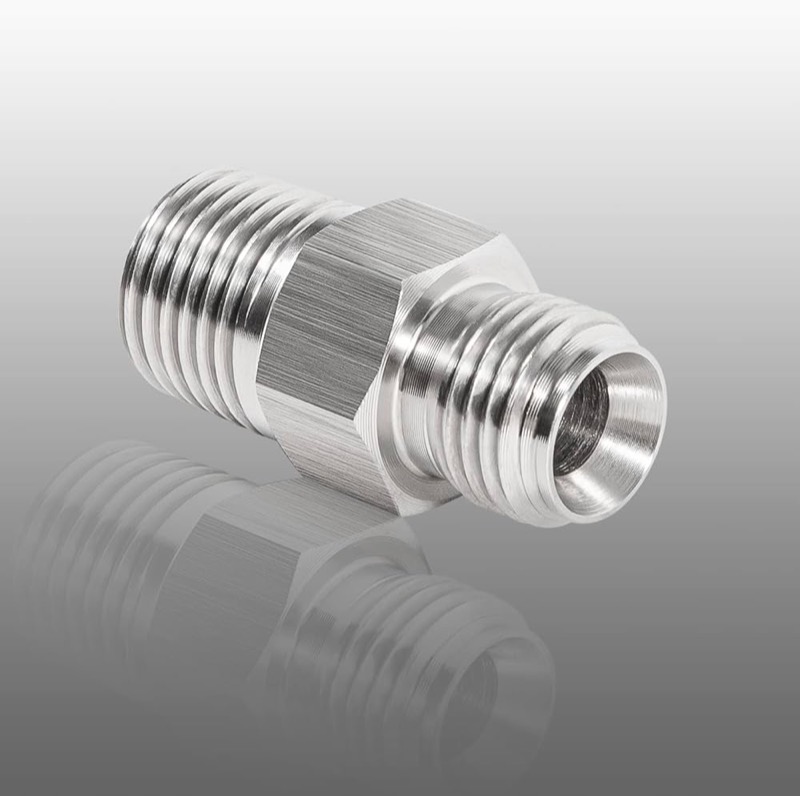
NPT has tapered threads with a 60-degree thread form that seals through interference and requires sealant.
JIS has metric straight threads with a 30-degree flare cone that seals metal-to-metal without sealant.
NPT connections degrade with each reassembly.
JIS can be reassembled repeatedly.
NPT uses nominal pipe size designation.
JIS uses metric tube OD sizing.
JIS provides better vibration resistance than NPT due to the flare seal design.
When to Choose NPT
Plant plumbing and pneumatic systems in North America
Fixed low-pressure installations
When parts are needed immediately from any hardware store
Existing NPT infrastructure.
When to Choose JIS B 2351
Japanese-built hydraulic equipment (Komatsu, Hitachi, Kobelco, Kubota)
Replacement of existing JIS fittings
Mobile hydraulic systems built to Japanese standards.
Practical Notes
NPT and JIS rarely coexist in the same circuit. The most common scenario is a Japanese excavator or machine in a North American shop where the technician needs to adapt JIS ports to local hose assemblies. NPT-to-JIS adapters are available from hydraulic distributors that carry Japanese equipment parts.
Common Mistake
Using NPT fittings directly in JIS metric ports. The thread forms, pitches, and sealing mechanisms are entirely different. Even if a fitting seems to engage, it will not seal and risks damaging the port threads.
Reference data only. Verify thread dimensions with a thread identification gauge before making connections. Working with pressurized hydraulic systems involves serious injury risks including high-pressure injection, burns, and crushing hazards. This site does not replace manufacturer specifications, proper training, or employer safety procedures. See full terms of use.