NPT vs DIN Fittings: Tapered vs Metric Bite-Type, When to Use Each
The key difference: NPT has tapered threads that create a seal through thread interference plus sealant (tape or compound). Full breakdown below.
NPT uses tapered pipe threads that seal by thread deformation with sealant. DIN 2353 (ISO 8434-1) uses metric straight threads with a 24-degree cone and cutting ring (bite-type) for a metal-to-metal seal on tubes. They represent different engineering philosophies: NPT is simple but single-use, DIN is precise but requires more installation skill.
Key Differences
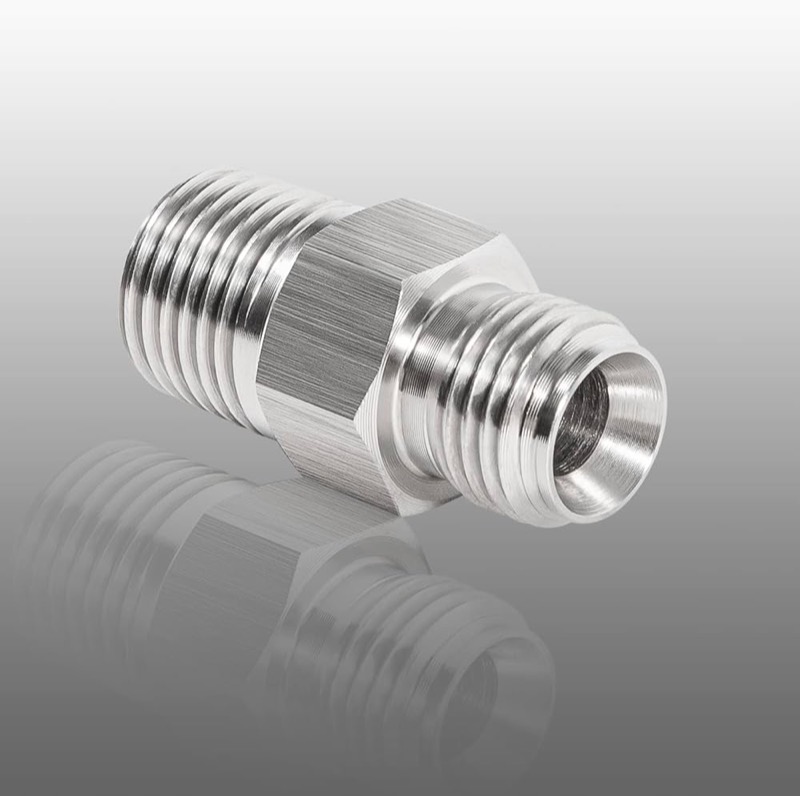
NPT has tapered threads that create a seal through thread interference plus sealant (tape or compound).
DIN uses metric straight threads with a separate sealing mechanism: a 24-degree cone and a cutting ring that bites into the tube OD.
NPT sizes follow nominal pipe bore convention.
DIN sizes are based on metric tube OD.
NPT threads deform with each assembly; DIN cutting rings can be reassembled multiple times.
DIN achieves higher working pressures and better vibration resistance than NPT.
When to Choose NPT
Low-pressure pneumatic and water systems
Fixed installations in North American buildings and plants
When local availability of parts matters
Simple repairs where thread sealant is acceptable.
When to Choose DIN 2353 / ISO 8434-1
European-manufactured hydraulic equipment
High-pressure metric tube systems
Applications requiring reassembly without thread damage
Precision hydraulic systems on machine tools, presses, and industrial equipment.
Practical Notes
NPT and DIN are common on different continents but rarely appear in the same system. When they do meet (usually on imported European equipment installed in a US plant), adapters are required. DIN fittings require correct cutting ring assembly, undertightening leaves the ring loose and the connection leaks.
Common Mistake
Applying thread sealant to DIN fittings. DIN seals on the cone and cutting ring, not on the threads. Sealant on DIN threads contaminates the hydraulic system and does nothing for the seal.
Reference data only. Verify thread dimensions with a thread identification gauge before making connections. Working with pressurized hydraulic systems involves serious injury risks including high-pressure injection, burns, and crushing hazards. This site does not replace manufacturer specifications, proper training, or employer safety procedures. See full terms of use.