JIC vs JIS Fittings: Flare Angle, Thread Type & Equipment Compatibility
The key difference: JIC has a 37-degree flare seat with imperial UNF straight threads. Full breakdown below.
JIC uses a 37-degree flare with UNF straight threads (SAE J514). JIS uses a 30-degree flare with metric threads (JIS B 2351). The 7-degree difference in flare angle means they will not seal properly if mixed, though they may appear to thread together in some sizes.
Key Differences
JIC has a 37-degree flare seat with imperial UNF straight threads.
JIS has a 30-degree flare seat with metric threads.
Both use metal-to-metal flare sealing, but the different cone angles mean the contact area and sealing geometry are incompatible.
JIC follows SAE J514 and uses dash sizing.
JIS follows JIS B 2351 and uses metric sizing.
JIC is the dominant standard in North American hydraulics.
JIS is standard on Komatsu, Hitachi, Kobelco, and most Japanese-built equipment.
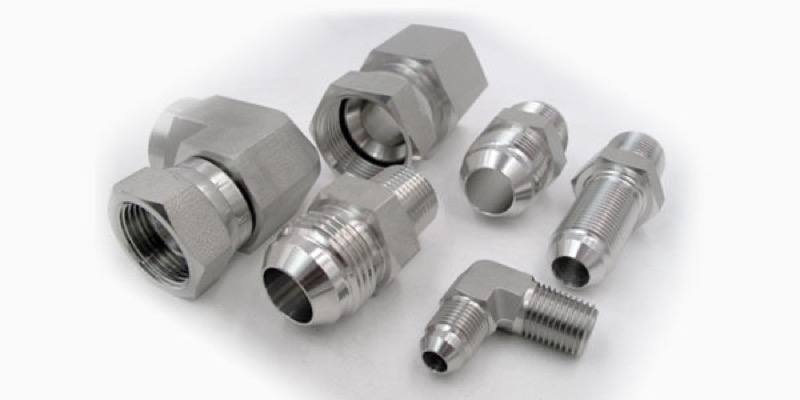
When to Choose JIC (SAE J514)
North American hydraulic systems
Equipment built by US or European manufacturers
Applications where JIC is already the installed standard
When parts availability from local suppliers matters.
When to Choose JIS B 2351
Japanese-manufactured excavators, cranes, and hydraulic equipment
Replacement of existing JIS fittings on Komatsu, Hitachi, Kobelco, or Sumitomo machines
When the OEM specifies JIS B 2351.
Practical Notes
JIC and JIS fittings can sometimes thread together because the thread pitches happen to be close in certain sizes. This is dangerous because the 7-degree flare difference means the seal will fail under pressure. Always verify the flare angle with a visual gauge. JIC-to-JIS adapters are available from hydraulic suppliers that stock Japanese equipment parts.
Common Mistake
Threading a JIC male into a JIS female (or vice versa) because the threads engage. The fitting may feel tight but the flare angle mismatch creates a partial seal that leaks under pressure or vibration.
Reference data only. Verify thread dimensions with a thread identification gauge before making connections. Working with pressurized hydraulic systems involves serious injury risks including high-pressure injection, burns, and crushing hazards. This site does not replace manufacturer specifications, proper training, or employer safety procedures. See full terms of use.